
Strategic Planning and Cascading (OKRs)
What is it?
Most organizations do not struggle because they lack ideas. They struggle because too many priorities compete for attention, leaders interpret the strategy differently, and employees cannot clearly connect their work to what matters most.
Strategic Planning and Alignment helps leadership teams define where the organization is going, identify the few priorities that matter most, and translate those priorities into measurable objectives that can be understood and acted on throughout the organization.
Depending on your needs, the work may involve developing a new strategy, sharpening an existing one, facilitating an executive strategy session, or building an Objectives and Key Results, or OKR, system that connects enterprise goals to teams and individuals.
The objective is simple: create clarity about where you are going and make sure the organization can actually get there.
Why Do it?
A strategy has little value if it remains in a presentation or is understood only by senior leadership.
Organizations often have strong strategic plans but still experience competing priorities, unclear ownership, disconnected initiatives, resource conflicts, and difficulty translating goals into day to day decisions.
A well designed planning and alignment process helps leaders:
- Establish a clear and shared direction
- Focus resources on the priorities that matter most
- Clarify ownership and accountability
- Connect departmental and individual priorities to organizational goals
- Reduce competing or duplicative initiatives
- Create meaningful measures of progress
- Respond more effectively when conditions change
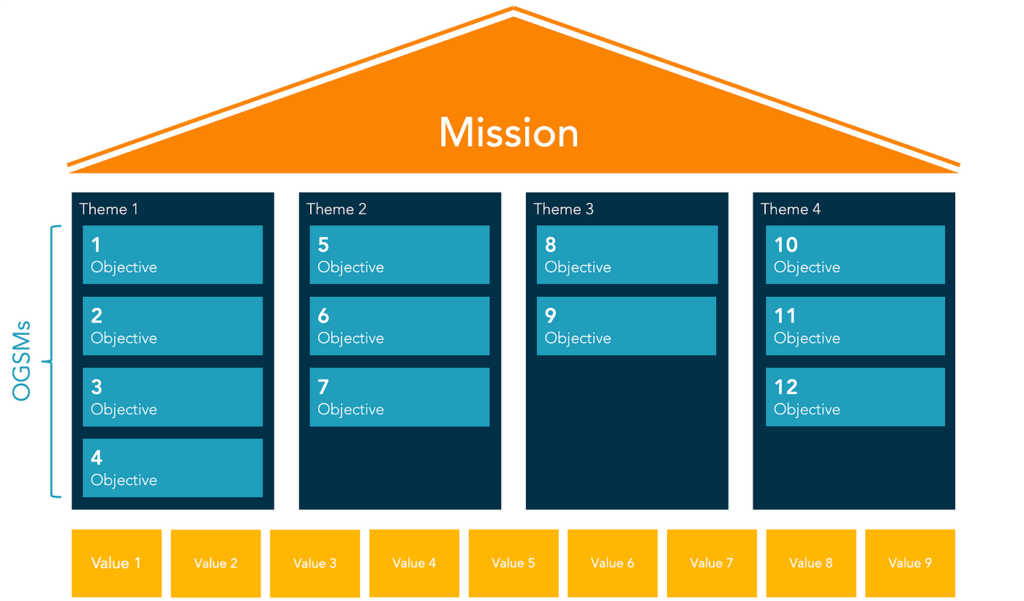
OKRs can be especially powerful when the challenge is not creating strategy, but executing it. They provide a practical way to translate broad strategic priorities into clear objectives and measurable results at each level of the organization.
The result is an organization where people understand not only what they are working on, but why it matters.

What can I expect?
Every engagement starts with understanding where you are today and what problem you are trying to solve. There is no reason to build an elaborate strategic planning process when a focused leadership session will accomplish the goal.
Depending on the situation, the work may include leadership interviews, review of existing strategies and performance data, market and competitive analysis, priority setting, facilitated strategy sessions, development of objectives and measures, and creation of a practical system for reviewing progress.
Engagements can range from a focused strategy workshop with advance preparation to a broader effort that develops the strategic plan, establishes OKRs, creates reporting and review routines, and helps leaders cascade priorities throughout the organization.
The work generally falls into two areas:
Strategy Origination
Clarifying where the organization is going, what choices it needs to make, and which priorities deserve its limited time and resources.
Strategy Alignment and Cascading
Turning those priorities into meaningful objectives, measures, and actions throughout the organization so teams understand their contribution and leaders can see whether the strategy is actually being executed.
The approach is scaled to the need. The goal is not to create more planning activity. It is to create enough structure and discipline to help the organization make better decisions, stay aligned, and turn strategy into results.
Succession Planning
What is it?
Succession planning helps answer a question every organization eventually faces: who is ready to step into a critical role when the need arises?
The risk is often greater than a single vacancy. Key roles may carry years of institutional knowledge, important relationships, specialized expertise, or leadership responsibilities that are difficult to replace quickly.
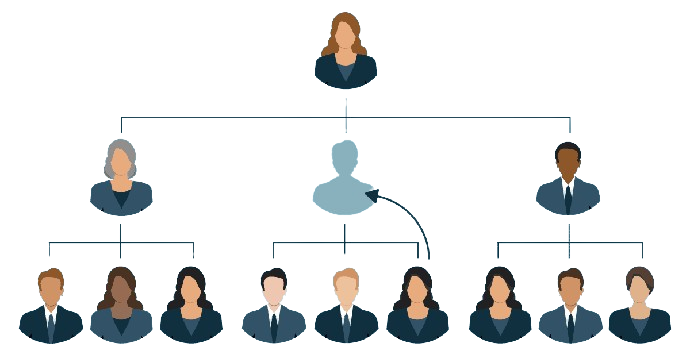
We help organizations identify critical roles, understand future leadership needs, assess the strength of the internal talent pipeline, and prepare people for greater responsibility before a transition becomes urgent.
Succession planning can support anticipated retirements, planned leadership transitions, growth into new roles, or the broader need to build a stronger bench of capable future leaders.
The goal is not to name replacements on a chart. It is to create real organizational readiness.
Why Do it?
Many organizations discover succession risk too late.
A key leader announces a departure, a critical role becomes vacant, or growth creates a new leadership need. The organization then begins searching for talent while simultaneously dealing with disruption, lost knowledge, overloaded teams, and uncertainty about who is ready.
A thoughtful succession planning process helps leaders:
• Identify roles that create the greatest organizational risk if left vacant
• Understand where the organization has strong internal talent and where gaps exist
• Develop promising employees before opportunities arise
• Preserve critical institutional knowledge and relationships
• Reduce dependence on external recruiting for every leadership opening
• Make leadership transitions more deliberate and less disruptive
• Build a stronger pipeline for future growth
Succession planning also creates better development conversations. Instead of asking vaguely who has potential, leaders can discuss what future roles require, who may be capable of stepping into them, and what experiences those individuals need to become genuinely ready.
The result is a stronger organization with more options when change occurs.

What can I expect?
The work begins by understanding your organization, future direction, critical roles, and current talent. Not every position needs a formal succession plan, so part of the process is determining where succession risk truly matters.
Depending on the organization, the work may include identifying critical positions, defining future leadership requirements, evaluating talent and readiness, facilitating leadership talent reviews, identifying succession gaps, and developing targeted plans for high potential employees.
Typical deliverables may include:
• A clear view of critical roles and succession risk
• Succession candidates and readiness assessments
• Talent and leadership pipeline reviews
• Individual development priorities for potential successors
• Experiential development plans designed around real capability gaps
• Knowledge transfer plans for important transitions
• A practical process for periodically reviewing and updating succession decisions
For some organizations, the initial work may be completed over several focused sessions. Larger or more complex organizations may benefit from a broader process implemented over several months.
Succession planning should ultimately become an ongoing leadership discipline rather than a one time project. Roles change, people develop, business priorities shift, and the talent pipeline needs to evolve with them.
Our objective is to build a process that leaders can continue using themselves, giving the organization greater confidence that when an important leadership need arises, it is prepared rather than surprised.
Talent Reviews & Development

What is it?
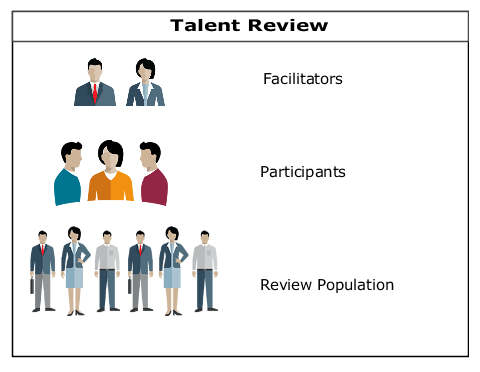
Talent reviews help leadership teams answer a different question than succession planning: who are our strongest people, what are they capable of becoming, and what experiences will help them get there?
Too often, development decisions happen informally or depend heavily on one manager’s perspective. Talent reviews create a structured, confidential discussion where leaders compare perspectives, identify high potential employees, surface development needs, and make better decisions about where to invest in people.
The goal is not simply to label talent. It is to create meaningful development actions that connect an employee’s strengths and aspirations with the organization’s future needs.
Why Do it?
Organizations often have talented people who are ready for more, but no consistent way to identify them or accelerate their development.
Strong employees may leave because they cannot see a path forward. Managers may struggle to create meaningful development opportunities. Leadership teams may also discover that their view of talent is inconsistent across departments.
A well designed talent review process helps leaders:
• Identify high potential and emerging talent earlier
• Build a broader and more objective view of employee potential
• Create development plans tied to real business needs
• Improve retention of strong performers
• Increase visibility of talent across organizational boundaries
• Prepare employees for future leadership and critical roles
• Reduce reliance on external hiring when opportunities arise
• Make better use of developmental assignments, mentoring, coaching, and formal learning
The greatest value often comes from the leadership conversation itself. When leaders openly compare perspectives and discuss talent together, they begin to see opportunities that would not have been visible within individual departments.
The result is a stronger internal talent marketplace and a more deliberate approach to developing people.

What can I expect?
The process begins by understanding your organization, talent priorities, and existing development practices. We then design a review process that gives leaders useful information without creating unnecessary complexity.
Depending on the organization, the work may include employee career interest assessments, leadership evaluations, talent profiles, facilitated talent review sessions, development planning, and follow up accountability.
Typical deliverables may include:
• A clear view of high potential and emerging talent
• Shared leadership assessments of strengths, readiness, and development needs
• Individual development priorities
• Experiential development opportunities tied to real business challenges
• Recommendations for mentoring, coaching, education, or other development resources
• Identification of talent that may be ready for broader roles or future leadership opportunities
• A repeatable talent review process the organization can continue over time
We place particular emphasis on experiential development. Formal training has value, but many of the most important capabilities are built through stretch assignments, project leadership, expanded responsibilities, cross functional exposure, and other experiences within the business.
Engagements can range from facilitating a focused talent review for one leadership team to designing and implementing an organization wide talent review and development process.
The objective is not to create another HR exercise. It is to help leaders know their talent better, invest in the right people, and turn development conversations into meaningful action.
Executive Selection, Onboarding, Coaching

What is it?
A leadership transition is one of the highest impact decisions an organization makes. Selecting the right person matters, but so does what happens after the offer is accepted.
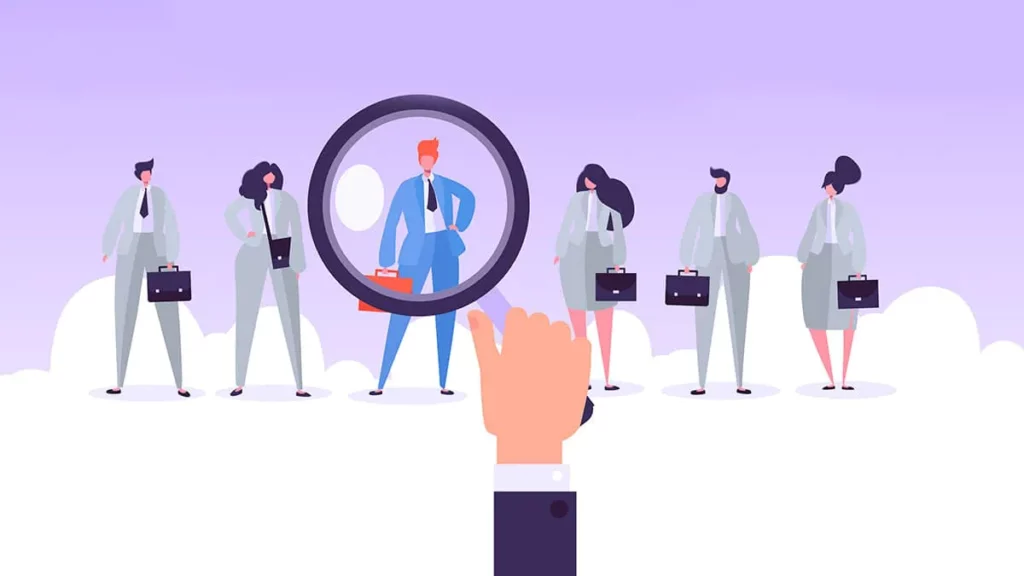
Executive Selection, Onboarding, and Coaching help organizations improve the full leadership transition cycle. We help define what success in the role actually requires, assess candidates against those needs, accelerate a new leader’s integration, and provide targeted coaching as responsibilities and challenges evolve.
These services can be used independently or together depending on the situation.
The goal is to reduce the risk surrounding leadership transitions and help strong leaders become effective faster.
Why Do it?
The cost of a poor leadership decision extends far beyond recruiting expense.
The wrong leader can affect performance, employee engagement, turnover, customer relationships, strategic priorities, and the effectiveness of an entire team. Even the right leader can struggle if expectations are unclear, relationships take too long to develop, or critical organizational knowledge is learned through trial and error.
A thoughtful leadership transition process helps organizations improve selection decisions, identify potential risks before hiring, establish clearer expectations for success, accelerate important relationships, shorten the learning curve, and address leadership challenges before they become larger problems.
Executive coaching adds another dimension. Senior leaders often have fewer people with whom they can openly examine difficult decisions, leadership habits, organizational dynamics, and areas for their own development. A confidential coaching relationship creates space to work through those issues constructively.
The objective is not simply to hire good executives. It is to give leaders the best possible opportunity to succeed.

What can I expect?
The approach depends on where you are in the leadership transition.
Executive Selection
We begin by defining what successful performance in the role will require rather than relying solely on a traditional job description.
This may include developing a success profile, clarifying critical capabilities and leadership behaviors, evaluating candidates, conducting structured interviews, and identifying strengths, risks, and development considerations before a final decision is made.
The result is a more informed selection process built around the actual needs of the organization and the role.
Executive Onboarding
Traditional onboarding often covers administrative requirements but leaves the new leader to figure out the organization on their own.
We develop a focused onboarding plan around the relationships, information, priorities, and organizational dynamics that will matter most during the leader’s first months.
This may include stakeholder mapping, facilitated discussions with the leadership team, review of key business and performance information, clarification of expectations, organizational and cultural orientation, and development of an initial set of priorities.
The objective is to help the leader understand the organization and begin contributing meaningfully as quickly as possible.
Executive Coaching
Coaching begins by understanding the leader, the organizational environment, and the outcomes they are trying to achieve.
Through confidential discussions, stakeholder input when appropriate, and targeted development planning, we help leaders examine challenges, strengthen capabilities, and translate insight into specific changes in behavior and performance.
Coaching may support a new executive during transition, an established leader taking on broader responsibilities, or an executive working through a specific leadership or organizational challenge.
Selection may span several weeks or months depending on the search process. Onboarding is typically concentrated around the leader’s first several months, while coaching can continue as long as it remains useful.
Across all three services, the focus is practical: make better leadership decisions, reduce transition risk, and help executives become effective in the environment they are actually leading.
Performance Management (APRs)
What is it?
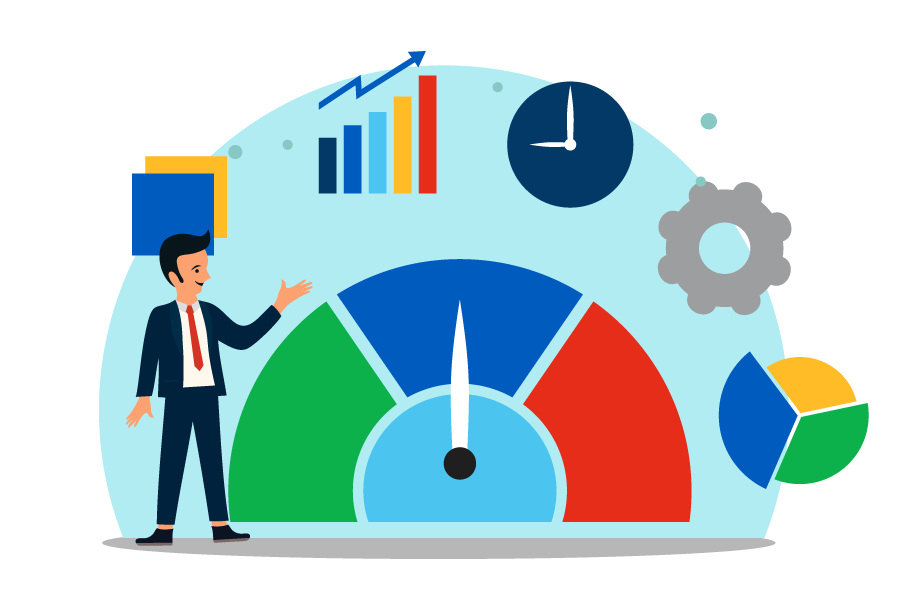
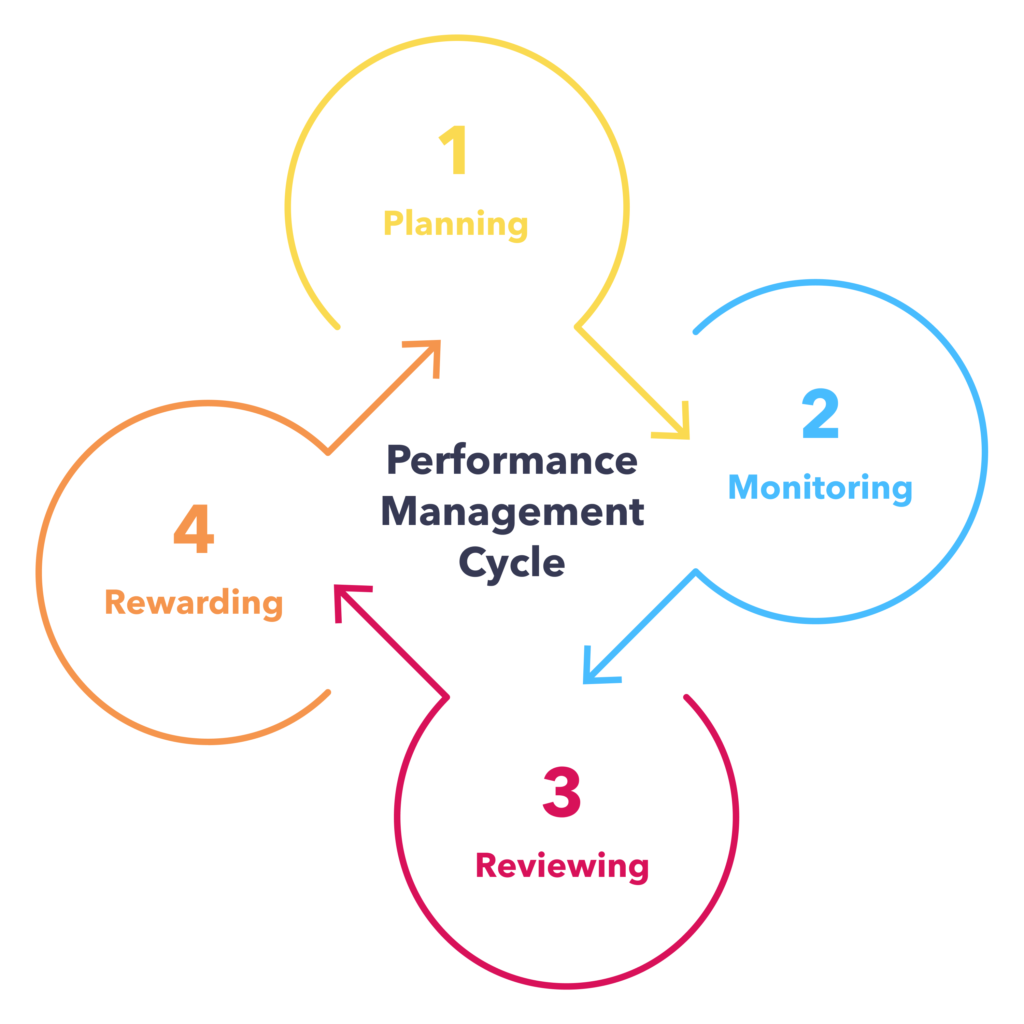
Performance management should help people understand what is expected, know how they are doing, and improve over time.
Too often, however, performance management becomes an annual administrative exercise centered on forms, ratings, and compliance. Leaders spend significant time completing the process without seeing a meaningful improvement in performance, accountability, or development.
We help organizations redesign performance management so it supports better conversations, clearer expectations, stronger accountability, and more useful development.
The goal is not simply to improve the review process. It is to build a practical system that helps people perform better and helps leaders manage performance more effectively.
Why Do it?
A weak performance management system creates frustration on both sides.
Employees may not understand how success is defined. Managers may avoid difficult conversations or provide feedback too late. High performers may not feel recognized or developed, while persistent performance issues remain unresolved.
A stronger system helps organizations:
• Set clearer expectations and performance standards
• Connect individual goals to organizational priorities
• Improve the quality and frequency of feedback
• Strengthen accountability
• Identify and develop high performers
• Address performance problems earlier and more consistently
• Make development conversations more meaningful
• Reduce unnecessary administrative burden on leaders
Performance management also plays an important role during growth, restructuring, mergers, and other periods of change. When expectations and priorities are shifting, employees need clarity about what matters and leaders need a consistent way to reinforce it.
The result should be a system that people use because it helps them manage performance, not simply because HR requires it.

What can I expect?
We begin by understanding how performance is managed today and where the current process is breaking down.
That includes looking at how goals are established, how performance and behaviors are evaluated, how frequently managers and employees discuss performance, how ratings or decisions are made, what technology supports the process, and how much time the system requires from leaders.
From there, we work with you to design a performance management approach that fits your organization rather than forcing a generic model onto it.
The work may include:
• Performance goals and expectations
• Goal setting and alignment
• Feedback and coaching routines
• Performance review structure and frequency
• Leadership and behavioral expectations
• Rating or assessment approaches
• Development planning
• Recognition of high performance
• Processes for addressing sustained performance concerns
• Integration with compensation, talent review, or succession planning where appropriate
• Technology requirements and system design
Engagements can range from improving specific parts of an existing process to redesigning the entire performance management system.
Implementation may include leadership workshops, manager tools, communication plans, training, pilot testing, and support as the new approach is introduced.
The objective is to leave you with a system that is clear, practical, and sustainable, one that uses leaders’ time well and creates better conversations about goals, accountability, development, and performance.
Supply Chain Optimization
What is it?
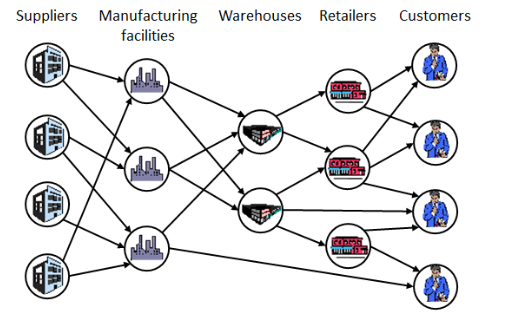
Supply chain problems often show up as excess inventory, stockouts, too many products or suppliers, inconsistent purchasing decisions, rising costs, or too much time spent reacting to shortages.
Supply Chain Optimization helps organizations understand where those problems are coming from and redesign the system around better demand, purchasing, inventory, standardization, and supplier decisions.
The work can span the full supply chain, from sourcing and procurement through inventory management, distribution, and end user consumption.
The goal is to create a supply chain that is simpler, more reliable, and better aligned with what the organization actually needs.
Why Do it?
Supply chains tend to become more complicated over time.
New products are added, suppliers accumulate, inventory levels grow, local preferences create variation, and processes that once worked well no longer fit the size or complexity of the organization.
The result can be unnecessary cost, inconsistent availability, wasted inventory, frustrated users, and significant time spent managing exceptions.
A focused supply chain improvement effort can help organizations:
• Reduce unnecessary product and supplier variation
• Improve inventory availability while reducing excess stock
• Better match purchasing and inventory levels with actual demand
• Reduce waste, obsolescence, and unnecessary spending
• Simplify ordering, receiving, storage, and distribution processes
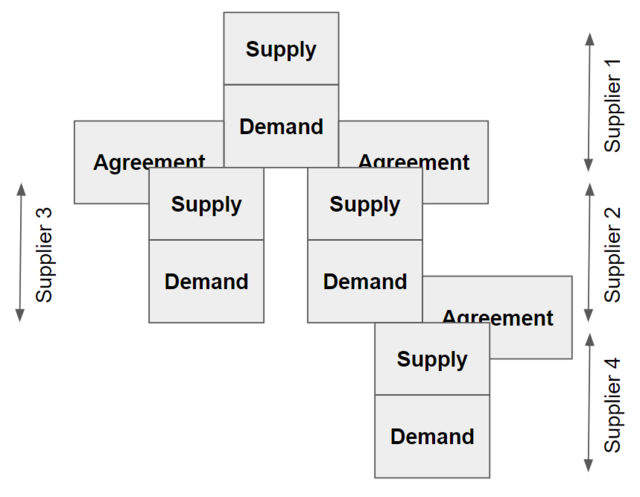
• Improve supplier performance and purchasing leverage
• Increase visibility into consumption, cost, and operational performance
• Build greater resilience when supply conditions change
The opportunity is often larger than simply negotiating better prices. Significant value can come from simplifying what is purchased, understanding how products are actually consumed, improving standardization, and removing complexity throughout the system.
The result is a supply chain that costs less to operate and is easier for both employees and customers to rely on.

What can I expect?
We begin by understanding how your supply chain actually operates today, from demand and purchasing decisions through inventory, distribution, and use.
The analysis may include purchasing and consumption data, inventory levels, product and supplier variation, ordering practices, stockouts, lead times, distribution processes, service levels, and the workflows used by the people managing the system.
Depending on the opportunity, the work may include:
• Spend and consumption analysis
• Product and supplier rationalization
• Inventory and par level optimization
• Demand and utilization analysis
• Standardization opportunities
• Procurement and purchasing process improvement
• Supplier performance and sourcing strategies
• Inventory flow and distribution redesign
• Process mapping and workflow improvement
• Performance measures and management routines
• Implementation planning and change management
The work is typically prioritized around the areas with the greatest operational and financial opportunity rather than attempting to redesign everything at once.
Deliverables may include a quantified opportunity assessment, recommended changes, redesigned workflows, product or supplier rationalization strategies, inventory recommendations, performance measures, and a practical implementation roadmap.
Some opportunities can be addressed through a focused assessment and rapid improvement effort. More complex supply chains may require phased implementation over several months.
The objective is not simply to produce a supply chain strategy. It is to identify where cost and complexity are hiding, make practical changes, and help the organization sustain the improvement.
Process Improvement
What is it?
Most process problems are easy to feel before they are easy to explain.
Work takes too long. Handoffs break down. People create workarounds. Customers wait. Employees spend time chasing information, correcting errors, or doing things that add little value.
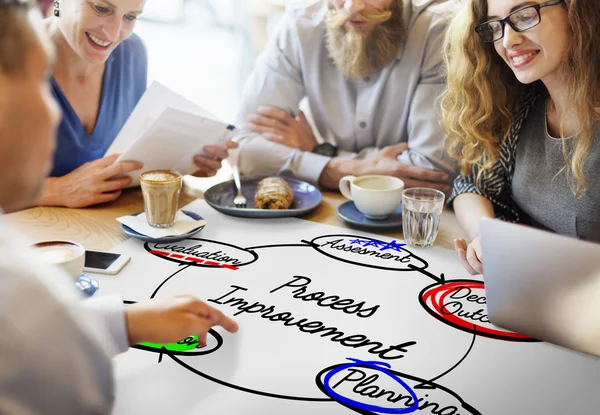
Process Improvement helps organizations understand how work is actually happening, identify what is getting in the way, and redesign workflows to improve speed, quality, cost, and reliability.
The focus is practical. We look at the process as it exists today, identify the constraints and waste within it, and work with the people closest to the work to build a better way.
Why Do it?
Organizations often adapt to inefficient processes without realizing how much time, capacity, and money they are consuming.
A process that once worked may no longer fit current volumes, technology, staffing, customer expectations, or organizational complexity. Over time, extra steps, approvals, handoffs, and workarounds accumulate.
A focused process improvement effort can help organizations:
• Reduce delays and bottlenecks
• Eliminate unnecessary steps and rework
• Improve handoffs between teams
• Shorten cycle and lead times
• Increase capacity without automatically adding staff
• Improve quality and consistency
• Reduce operating cost
• Simplify work for employees
• Improve the customer or patient experience
The greatest opportunities are often not obvious from reports alone. They become visible when the work is observed, mapped, measured, and discussed with the people who perform it every day.
The result is a process that works better for the organization and for the people who depend on it.
What can I expect?
We begin by defining the problem, the outcomes that matter, and the part of the process that needs attention.
From there, the work may include direct observation, process mapping, data analysis, interviews, timing studies, value stream mapping, workflow analysis, and facilitated improvement sessions.
Depending on the situation, techniques may include:
• Kaizen improvement events
• Value stream mapping
• Current and future state process mapping
• Cycle time and lead time analysis
• Capacity and demand analysis
• Workflow and facility layout analysis
• People and equipment utilization studies
• Root cause analysis
• Standard work development
• Performance measures and visual management
The people who perform and manage the work are typically involved throughout the process. Their knowledge is essential to understanding what is really happening and to designing changes that can actually be sustained.
Deliverables may include redesigned workflows, quantif
Continuous Improvement
What is it?
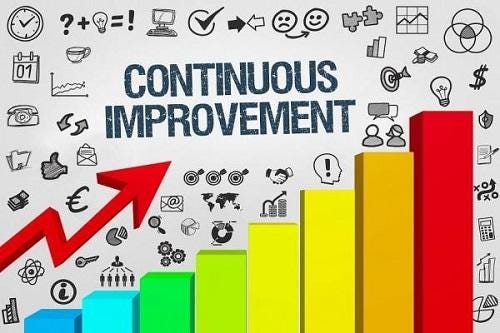
Continuous improvement is what happens when improvement becomes part of how the organization operates, not something reserved for special projects.
Many organizations can solve an isolated problem. The harder challenge is building the habits, skills, and management practices that allow teams to identify problems, solve them, and improve performance continuously.
We help organizations develop that capability by combining practical improvement methods with the leadership routines, measures, and behaviors needed to sustain them.
The goal is to create an organization that gets better at getting better.
Why Do it?
Organizations naturally accumulate waste and complexity over time.
Processes change, new requirements are added, workarounds become permanent, and yesterday’s solutions may no longer fit today’s needs. Without a deliberate improvement system, problems tend to persist until they become large enough to demand attention.
A strong continuous improvement capability helps organizations:
• Identify and solve problems closer to where the work occurs
• Reduce waste, delays, errors, and unnecessary complexity
• Improve quality, productivity, and customer service
• Engage employees in improving their own work
• Build stronger problem solving capability across the organization
• Make performance more visible through meaningful measures
• Reduce dependence on large improvement projects or outside support
• Create a consistent approach to improvement across teams and departments
The financial benefit can be significant, but the greater value is often organizational capability. Instead of repeatedly solving the same kinds of problems, the organization develops people who know how to recognize issues, understand root causes, test solutions, and sustain better ways of working.
What can I expect?
We begin by understanding how improvement happens in your organization today.
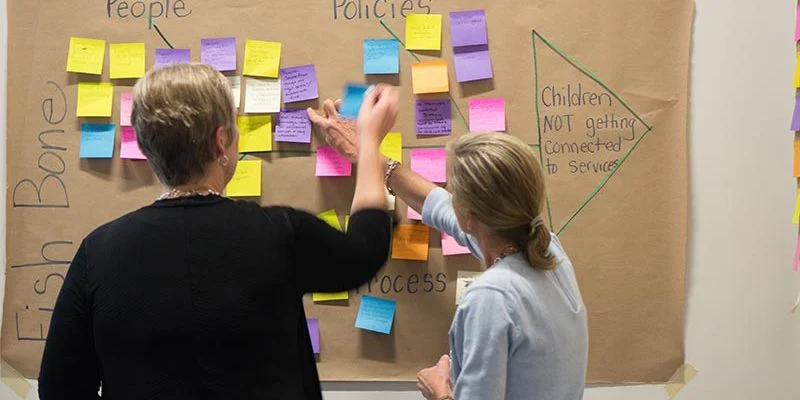
Some organizations already have Lean, Six Sigma, Kaizen, or other improvement methods but struggle with consistency or sustainability. Others are starting from the beginning and need a practical system that fits their culture and operations.
Depending on your needs, the work may include:
• Assessment of current improvement capabilities
• Leadership alignment around improvement expectations
• Practical Lean and problem solving training
• Kaizen and rapid improvement events
• A3 problem solving
• Value stream and process mapping
• Development of meaningful performance measures
• Visual management and performance review routines
• Leader coaching and standard management practices
• Development of internal facilitators and improvement leaders
• Systems for identifying, prioritizing, and tracking improvement opportunities
• Governance and accountability for larger improvement efforts
The approach is intentionally practical. Tools are introduced because they help solve problems, not because an organization needs another methodology.
Early efforts often combine training with real improvement work so employees learn by solving actual business problems rather than through classroom instruction alone. Over time, the emphasis shifts from consultant led improvement to building internal capability.
Risk Identification & Mitigation
What is it?
Some of the most expensive problems in an organization are the ones that have not happened yet.
Risk Identification and Mitigation helps organizations systematically identify where failures are most likely to occur, understand their potential impact, and strengthen processes before those failures become incidents.
This is especially valuable in complex or high consequence environments where quality, safety, compliance, reliability, or continuity matter.
The goal is not to eliminate every possible risk. It is to understand which risks matter most and take practical steps to reduce their likelihood or impact.
Why Do it?
Many organizations are good at investigating problems after something goes wrong. Fewer have a disciplined process for identifying vulnerabilities before an incident occurs.
That reactive approach can lead to preventable quality failures, operational disruption, regulatory exposure, customer dissatisfaction, safety events, and significant financial loss.
A proactive risk assessment can help organizations:
• Identify potential failures before they occur
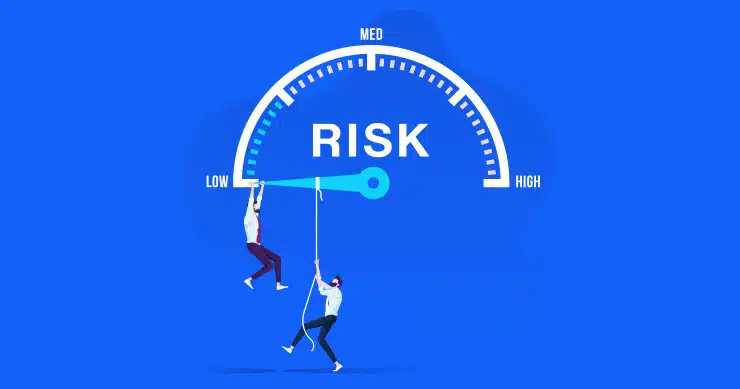
• Prioritize risks based on likelihood, severity, and existing controls
• Strengthen processes around the highest consequence vulnerabilities
• Reduce preventable quality and safety incidents
• Improve operational reliability and consistency
• Clarify ownership for important risks and controls
• Improve readiness for regulatory or compliance requirements
• Build greater organizational resilience
This approach can be particularly useful when introducing a new process, technology, facility, product, or operating model. It can also help when an organization has experienced recurring failures and traditional corrective actions have not solved the underlying problem.
The result is better visibility into what could go wrong and a more deliberate approach to preventing it.

What can I expect?
We begin by understanding the process, operation, or area of concern and defining the consequences that matter most.
The assessment typically brings together people who understand different parts of the work. Their combined knowledge helps uncover failure points that may not be visible from data, policies, or incident reports alone.
Depending on the situation, the work may include:
• Failure Mode and Effects Analysis, or FMEA
• Process and workflow mapping
• Review of incidents, defects, near misses, or quality data
• Identification of potential failure modes and causes
• Evaluation of existing controls
• Risk prioritization
• Root cause and contributing factor analysis
• Process redesign and standardization
• Development of preventive controls and safeguards
• Training and human factors considerations
• Performance measures and monitoring plans
• Clear ownership and implementation priorities
Deliverables may include a prioritized risk assessment, recommended mitigation actions, redesigned workflows or controls, and a practical implementation plan.
The scope can range from a focused assessment of one critical process to a broader review involving multiple functions or operational areas.
Risk management should not end when the assessment is complete. Processes, people, technologies, and operating conditions change. For important risks, we help establish ways to monitor performance and periodically reassess whether controls are still working.
The objective is to move the organization from reacting to failures toward recognizing vulnerabilities earlier, making better decisions about risk, and preventing avoidable problems before they occur.

With Respect To Each Customer